from idea to mass production
I led the end-to-end development of the Onyx boxes. Introducing a new product type within our assortment: boxes with integrated lids. This created immediate challenges in nesting efficiency, assembly, and cost control, key factors in a highly competitive, price-driven category.
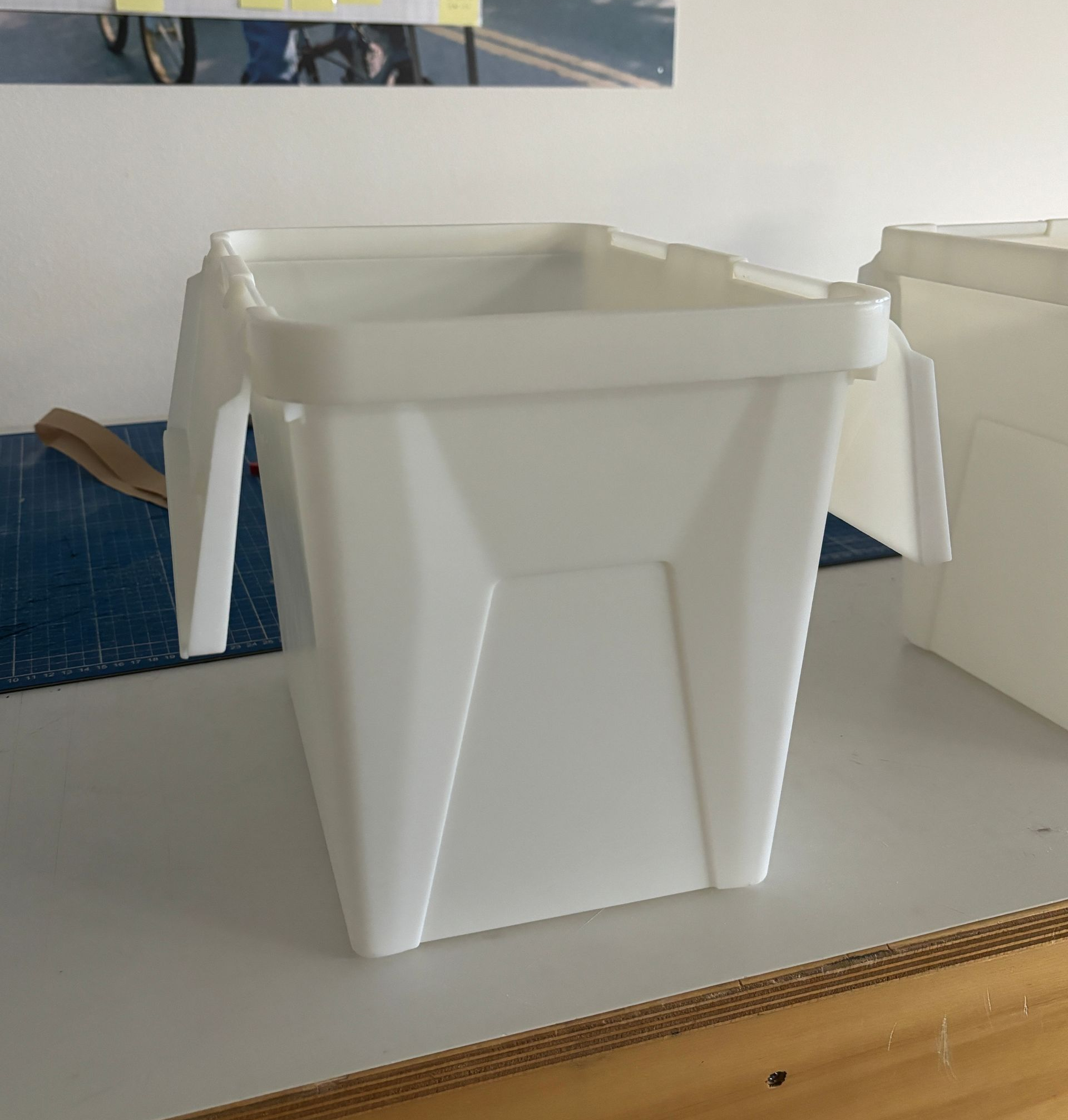
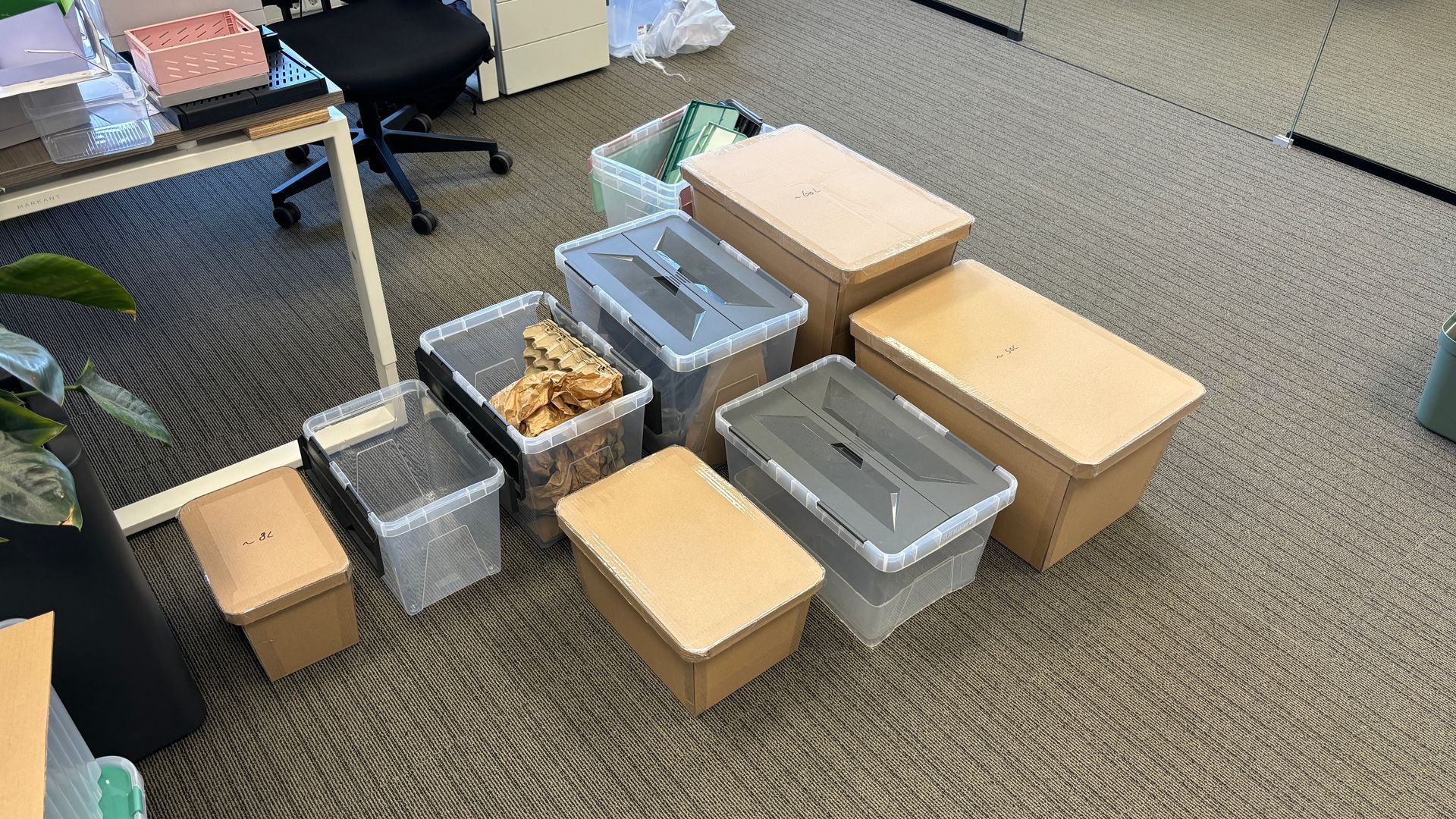
The core challenge was to deliver a product that outperformed established competitors in perceived quality, while reducing overall cost. This required a focus on structural engineering and logistics efficiency. By optimizing wall thickness and nesting performance, and introducing lightweight structural reinforcements, I reduced material usage by 20%, and maximized transport volume without compromising the durability or user experience.
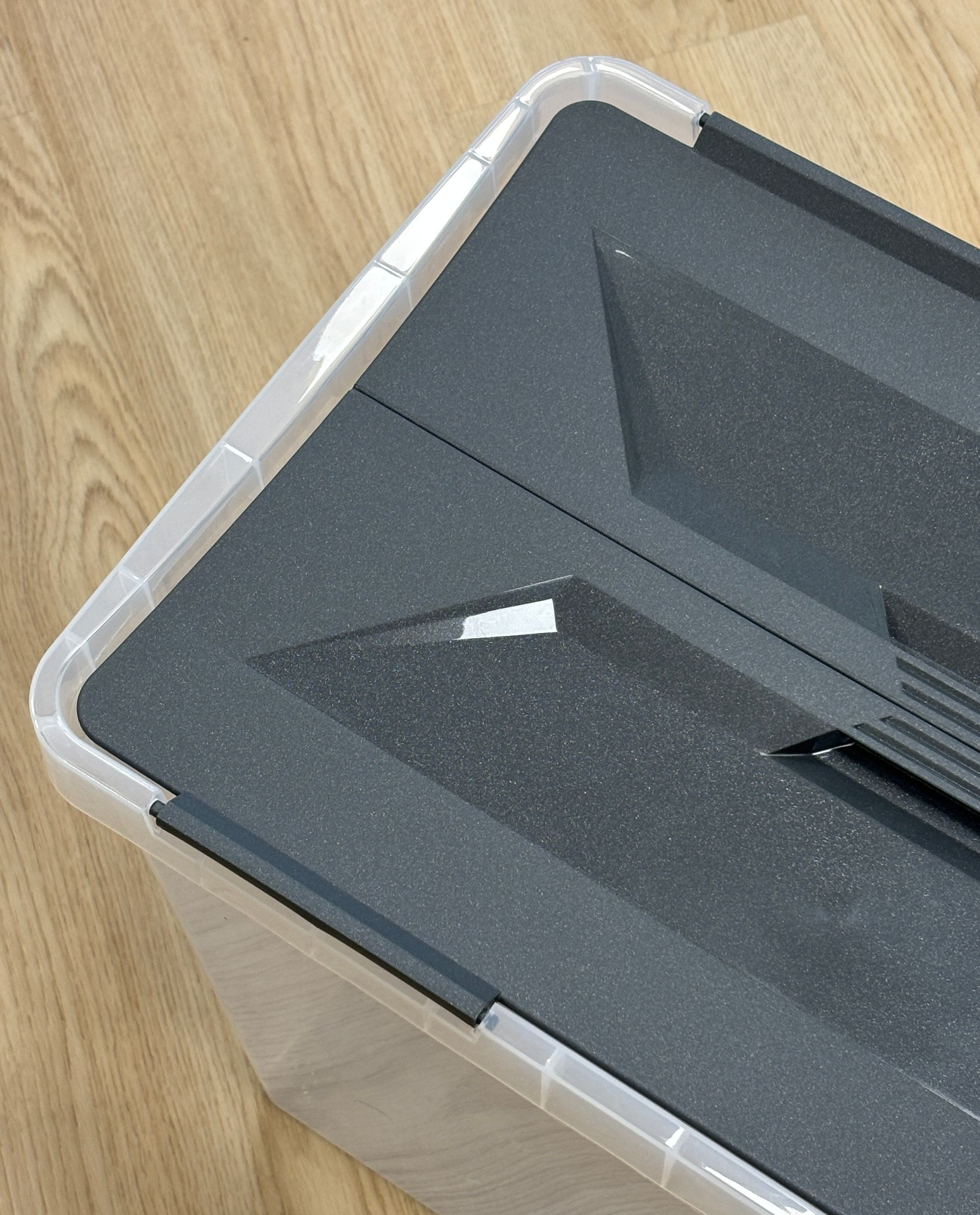
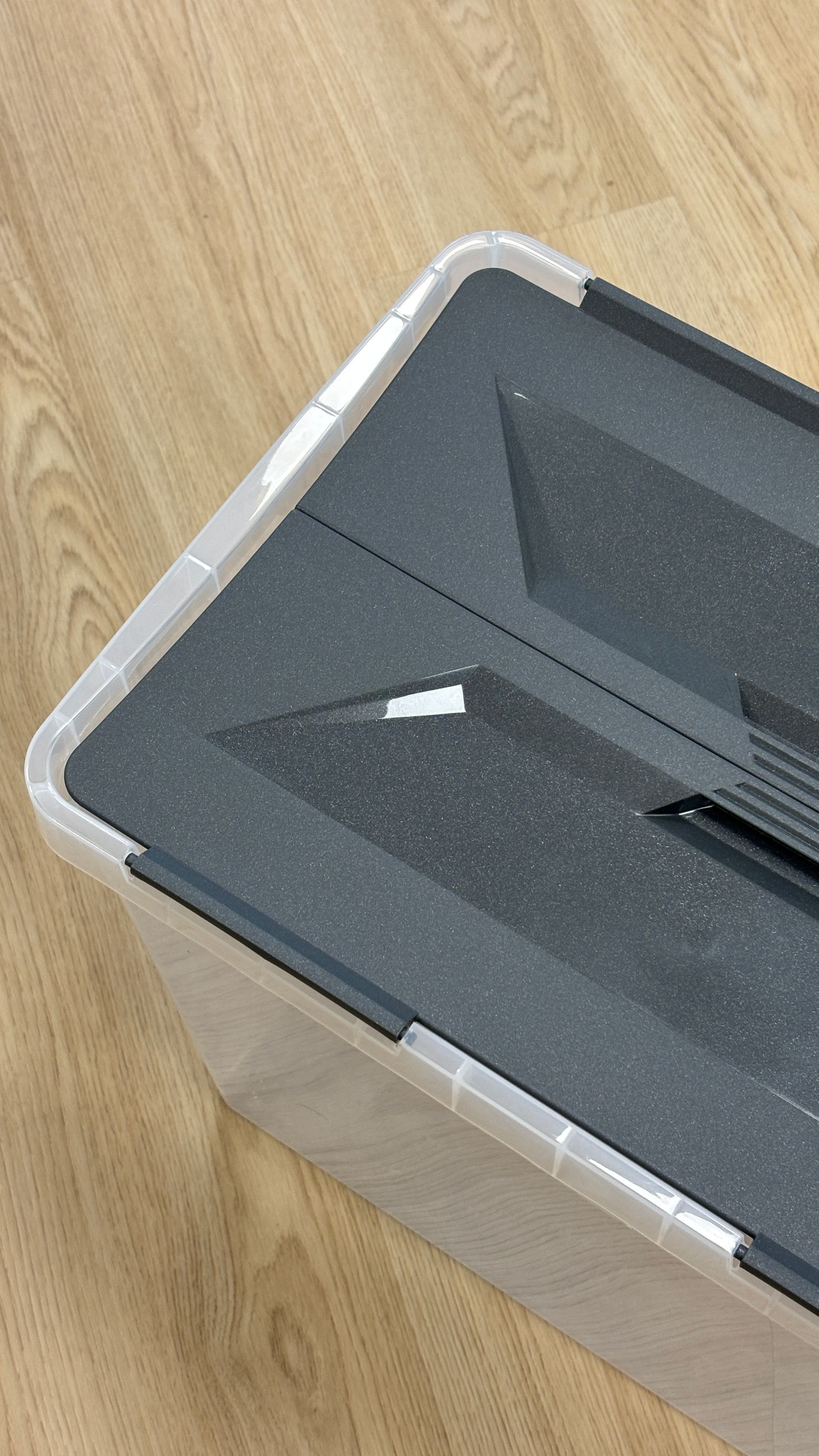
A key design decision was the development of a new angular and aesthetic language, that differentiated Onyx within the portfolio while supporting these tight nesting margins. Next to that, the introduction of partially transparent recycled material required careful balancing of visual quality, material behavior, and production constraints.
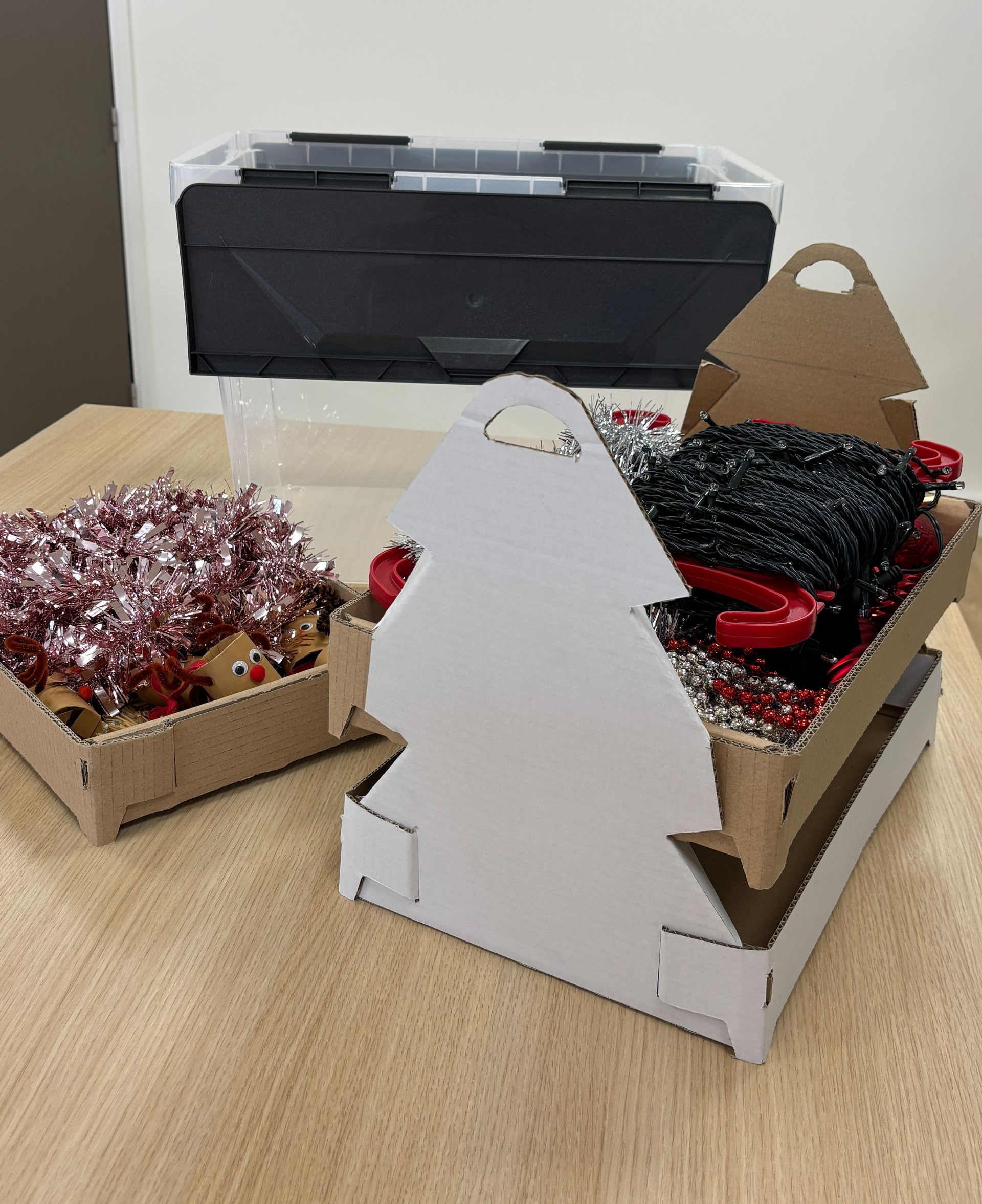
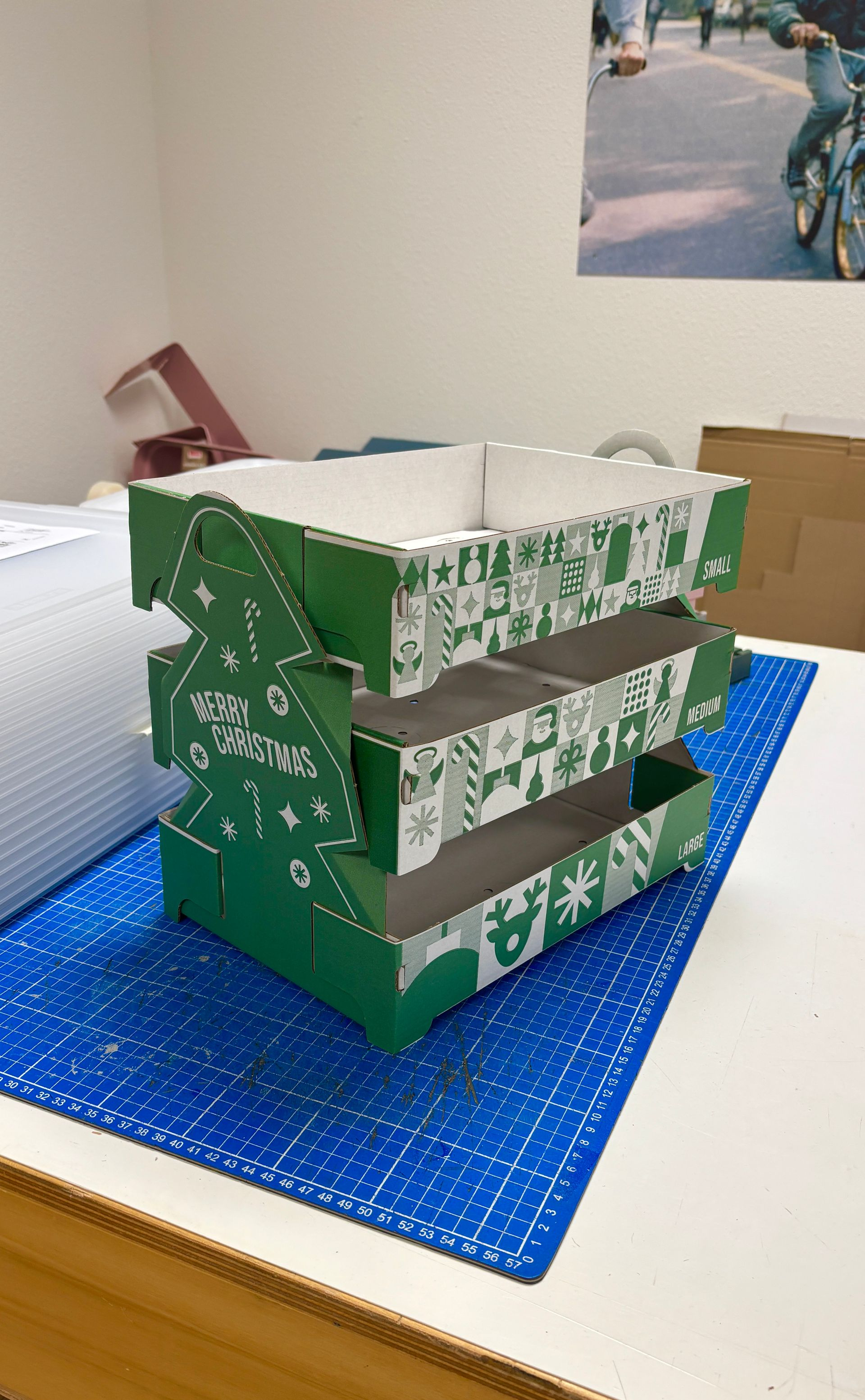
Following its launch, Onyx achieved steady market adoption across Western Europe and established a foundation for further expansion. The product has since been extended into new use cases, including a modular Christmas storage system, therefore gaining more traction and reinforcing the brand’s leading position within this category.
If I were to approach this project again, I would involve the external sales team earlier to better integrate market insights into key decisions. While the Onyx introduced a new product category, it was launched within the existing marketing framework; a more tailored approach could have increased its impact significantly. This highlighted the importance of extending design ownership beyond the product itself into how it is communicated and brought to market.
from idea to mass production
I led the end-to-end development of the Onyx boxes. Introducing a new product type within our assortment: boxes with integrated lids. This created immediate challenges in nesting efficiency, assembly, and cost control, key factors in a highly competitive, price-driven category.
The core challenge was to deliver a product that outperformed established competitors in perceived quality, while reducing overall cost. This required a focus on structural engineering and logistics efficiency. By optimizing wall thickness and nesting performance, and introducing lightweight structural reinforcements, I reduced material usage by 20%, and maximized transport volume without compromising the durability or user experience.
A key design decision was the development of a new angular and aesthetic language, that differentiated Onyx within the portfolio while supporting these tight nesting margins. Next to that, the introduction of partially transparent recycled material required careful balancing of visual quality, material behavior, and production constraints.
Following its launch, Onyx achieved steady market adoption across Western Europe and established a foundation for further expansion. The product has since been extended into new use cases, including a modular Christmas storage system, therefore gaining more traction and reinforcing the brand’s leading position within the christmas category.
If I were to approach this project again, I would involve the external sales team earlier to better integrate market insights into key decisions. While the Onyx introduced a new product category, it was launched within the existing marketing framework; driving the marketing department with a more tailored approach could have increased its impact significantly. This highlighted the importance of extending design ownership beyond the product itself into how it is communicated and brought to market.