INNOVATION UNDER CONSTRAINTS
Coming from the Eindhoven University of Technology, I learned my role in an environment where possibilities were largely unconstrained. In contrast, my professional experience has been shaped within a conservative, constraint-driven industry. An environment where every design decision must hold up against strict constraints regarding cost, manufacturing, and scalability.
Over the past three years, I have developed a way of working that balances innovation with feasibility. This means navigating conflicting requirements: user needs versus budget, aesthetics versus manufacturability, and short-term value versus long-term product feasibility. These challenges required close collaboration with engineers, consumers, and stake-holders across the full development process.
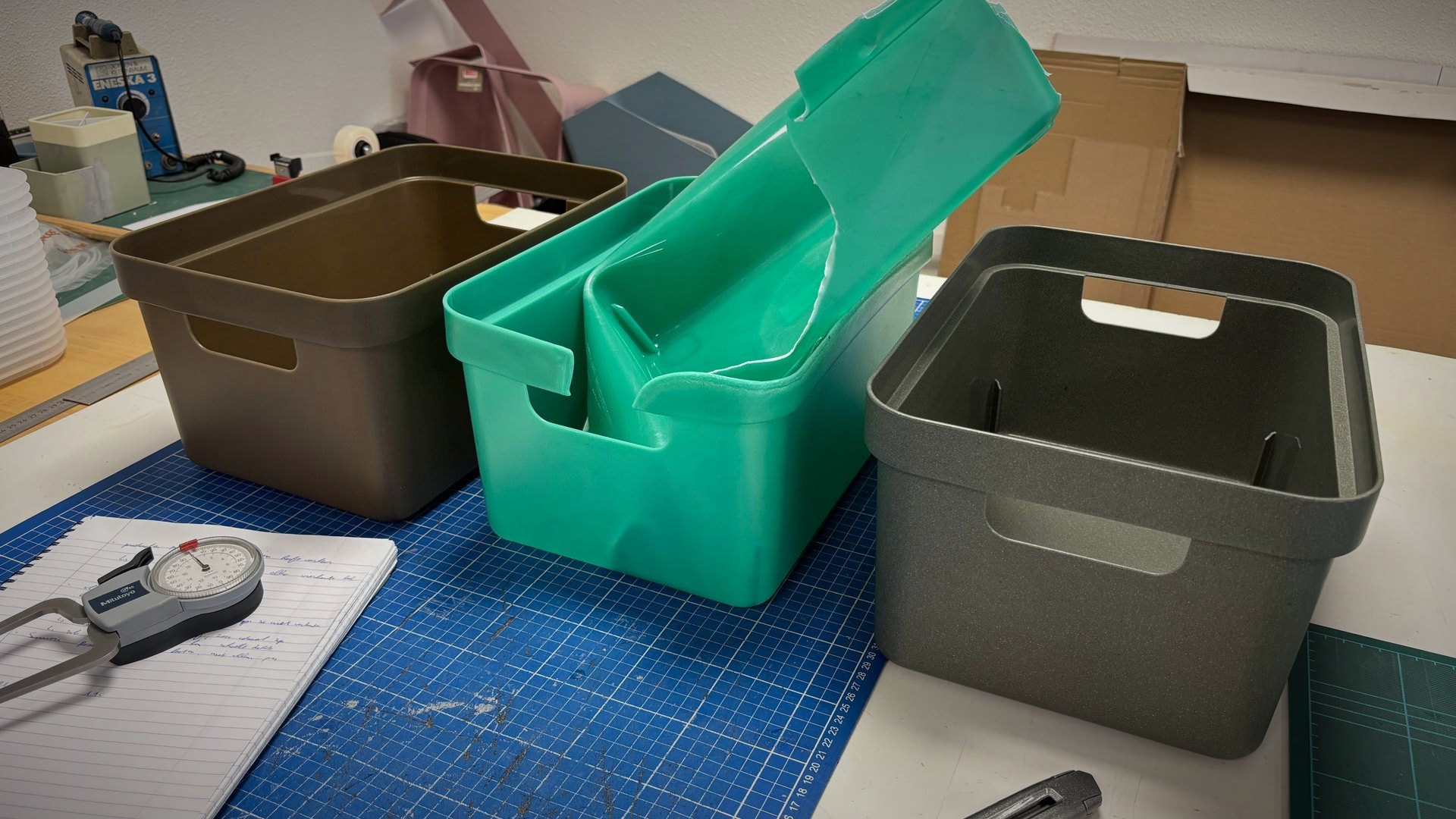
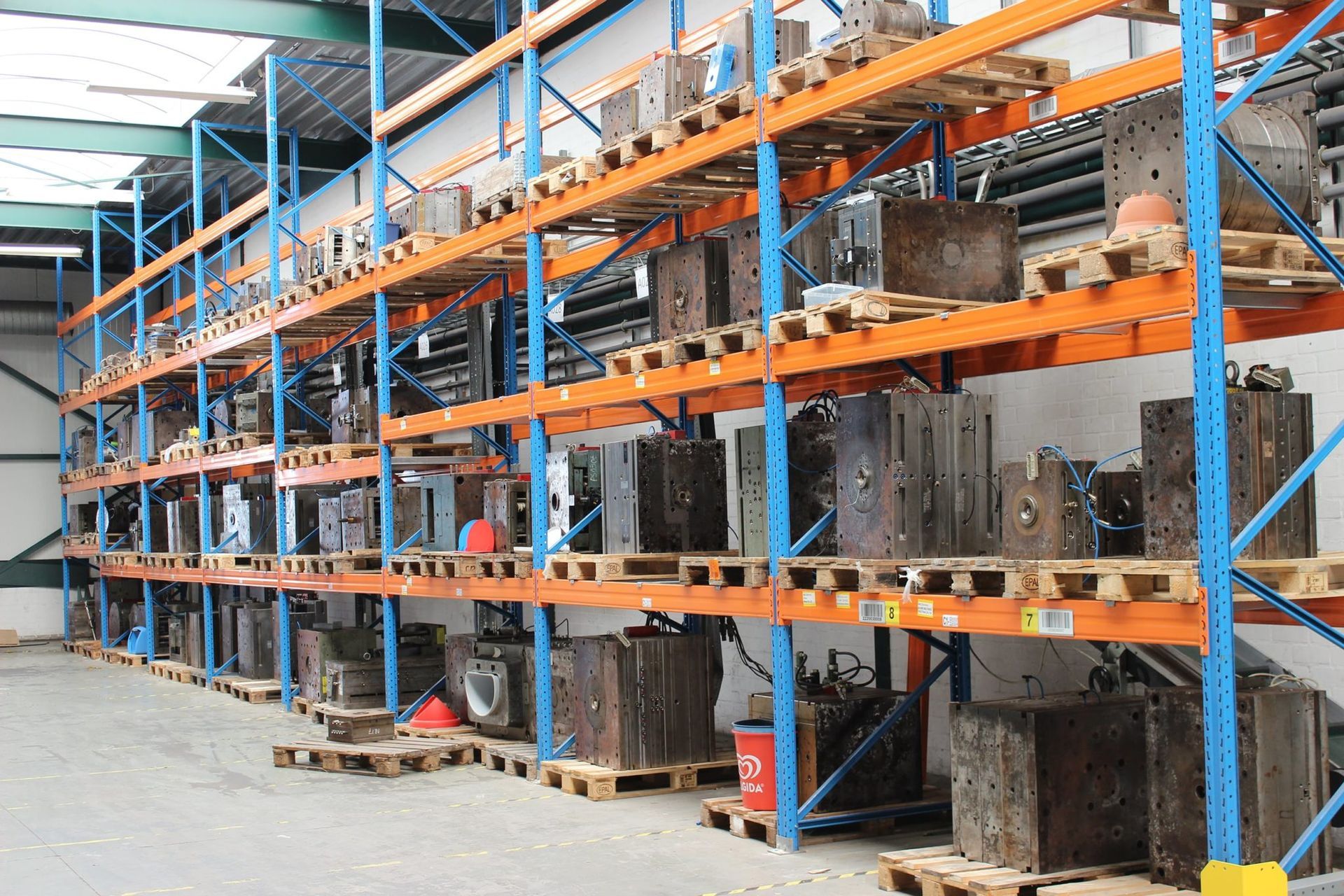
key lesson has for instance been to understand the gap between feasibility in testing, and feasibility at mass-production scale. Many promising ideas fail at this stage. Rather than seeing this as a limitation, I treat it as a critical filter where rigorous testing, documentation, and reflection turn unsuccessful projects into valuable knowledge for the future.
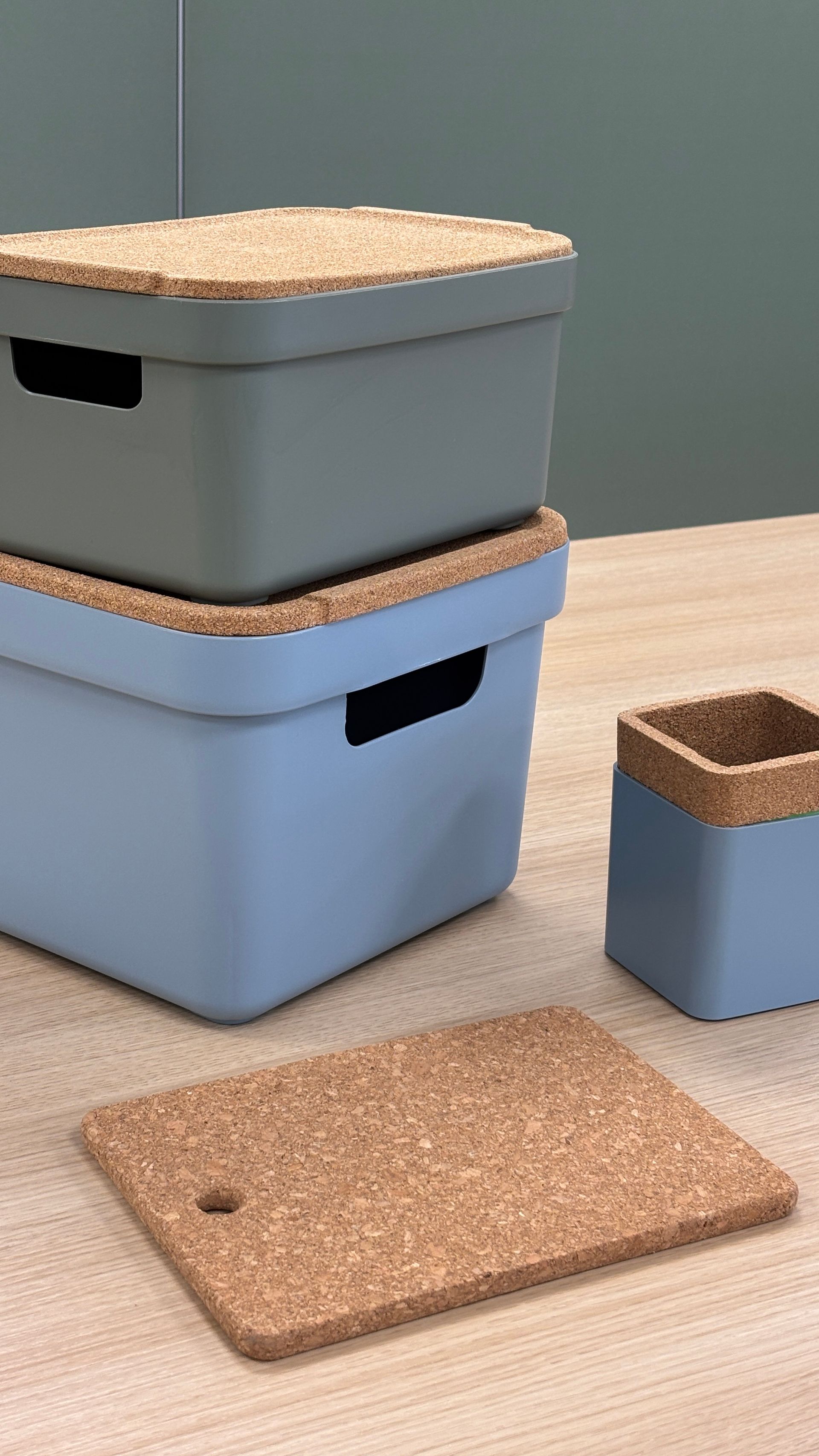
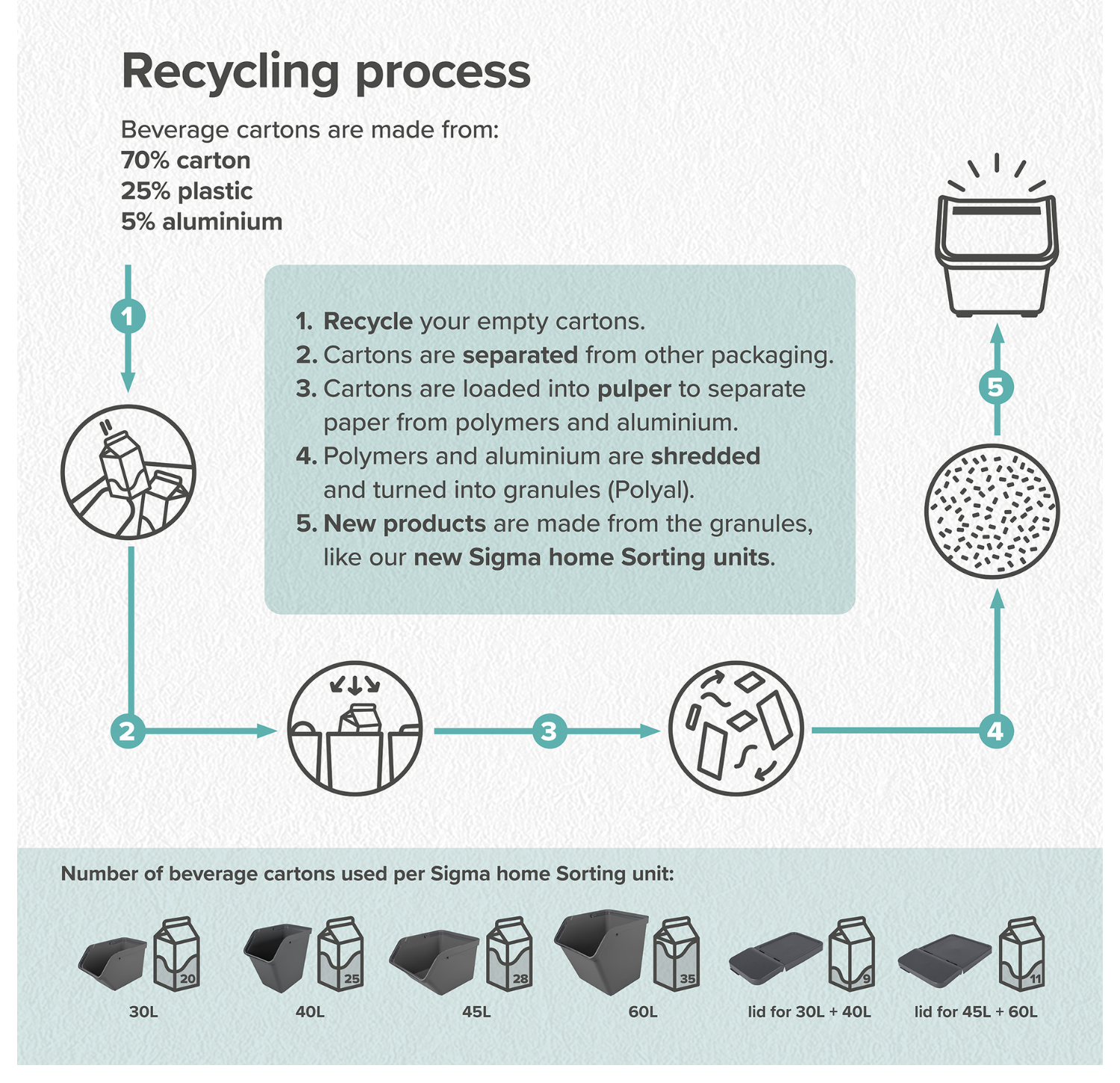
For example; this approach allowed the development of a new material innovation through a strategic partnership, where post-consumer beverage packaging was reintroduced into our waste management products. By aligning this material with all our prior requirements and knowledge, we created a solution that was not only sustainable, but also viable at scale. Strengthening both the products’ proposition and competitive position.
INNOVATION UNDER CONSTRAINTS
Coming from the Eindhoven University of Technology, I learned my role in an environment where possibilities were largely unconstrained. In contrast, my professional experience has been shaped within a conservative, constraint-driven industry. An environment where every design decision must hold up against strict constraints regarding cost, manufacturing, and scalability.
Over the past three years, I have developed a way of working that balances innovation with feasibility. This means navigating conflicting requirements: user needs versus budget, aesthetics versus manufacturability, and short-term value versus long-term product feasibility. These challenges required close collaboration with engineers, consumers, and stake-holders across the full development process.
A key lesson has for instance been to understand the gap between feasibility in testing, and feasibility at mass-production scale. Many promising ideas fail at this stage. Rather than seeing this as a limitation, I treat it as a critical filter where rigorous testing, documentation, and reflection turn unsuccessful projects into valuable knowledge for the future.
For example; this approach allowed the development of a new material innovation through a strategic partnership, where post-consumer beverage packaging was reintroduced into our waste management products. By aligning this material with all our prior requirements and knowledge, we created a solution that was not only sustainable, but also viable at scale. Strengthening both the products’ proposition and competitive position.